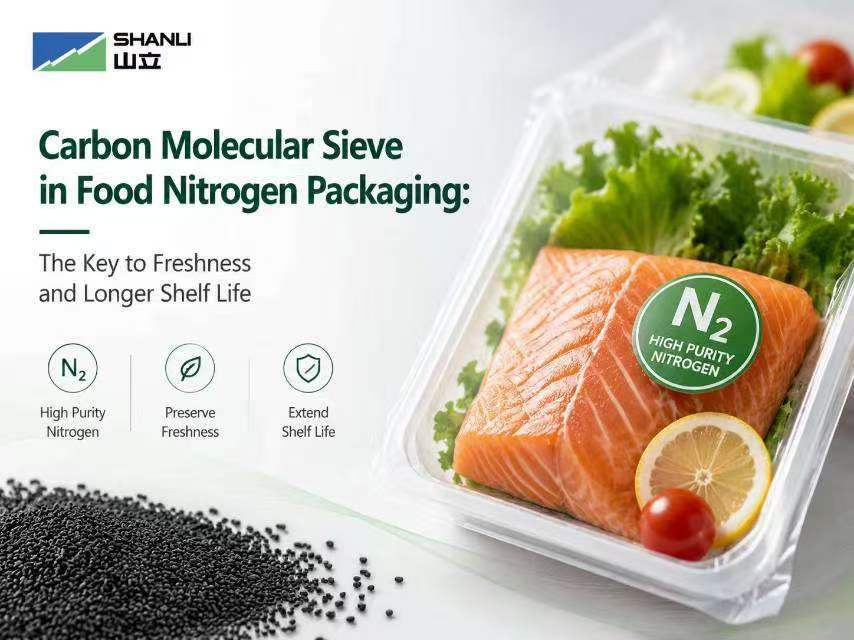
Carbon Molecular Sieve in Food Nitrogen Packaging: The Key to Freshness and Longer Shelf Life
Jul 02, 2026
In today's food industry, maintaining freshness while extending shelf life has become a critical challenge. Consumers expect high-quality products without excessive preservatives, while manufacturers seek cost-effective and reliable packaging solutions.
Nitrogen packaging has become one of the most widely adopted preservation technologies across the food industry. Behind this process, high-purity nitrogen generated by Pressure Swing Adsorption (PSA) systems plays a vital role—and Carbon Molecular Sieve (CMS) is the core adsorbent that makes PSA nitrogen generation possible.
This article explores how Carbon Molecular Sieve supports food nitrogen packaging and why it has become an essential material for modern food processing.
1.Why Nitrogen Is Used in Food Packaging
1.1 Air contains approximately:
78% Nitrogen
21% Oxygen
1% Other gases
1.2 Among these gases, oxygen is the primary cause of:
Food oxidation
Loss of flavor
Color changes
Mold growth
Rancidity of oils
Reduced shelf life
1.3 Replacing oxygen with nitrogen significantly slows these degradation processes because nitrogen is:
Inert
Odorless
Non-toxic
Dry
Safe for direct food contact
1.4 As a result, nitrogen flushing is commonly used in:
Potato chips
Coffee
Tea
Nuts
Milk powder
Pet food
Dried fruits
Snacks
Bakery products
2.How Carbon Molecular Sieve Produces Nitrogen
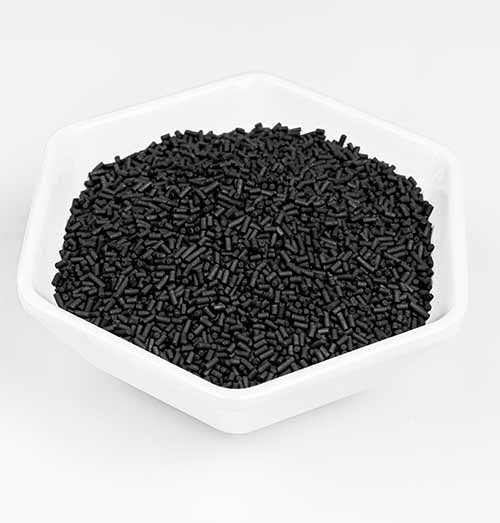
Carbon Molecular Sieve is specially engineered with uniform micropores.
Inside a PSA nitrogen generator, compressed air passes through CMS beds.
The CMS selectively adsorbs oxygen molecules while allowing nitrogen molecules to pass through.
2.1 The result is a continuous supply of nitrogen with purity levels typically ranging from:
95%
99%
99.5%
99.9%
Up to 99.999% depending on system design
2.2 Compared with liquid nitrogen delivery, on-site PSA nitrogen generation offers:
Lower operating costs
Continuous nitrogen supply
Reduced transportation expenses
Improved production flexibility
Enhanced safety
3.Benefits of PSA Nitrogen for Food Packaging
3.1 Longer Shelf Life
Lower oxygen content slows oxidation, preserving food quality for longer periods.
3.2 Better Product Appearance
Nitrogen helps maintain the original color and texture of packaged foods.
3.3 Improved Flavor Retention
Coffee beans, roasted nuts, tea, and snack foods retain aroma and taste much longer.
3.4 Reduced Food Waste
Stable packaging environments minimize spoilage during transportation and storage.
3.5 Cost Savings
Generating nitrogen on-site eliminates recurring gas cylinder or liquid nitrogen purchases.
4.Why Carbon Molecular Sieve Quality Matters
The performance of a PSA nitrogen generator depends heavily on the quality of its Carbon Molecular Sieve.
4.1 High-performance CMS offers:
High nitrogen yield
Fast adsorption kinetics
Excellent oxygen separation
Stable purity
Long service life
Low dust generation
Low air consumption
4.2 Poor-quality CMS may result in:
Lower nitrogen purity
Higher energy consumption
Frequent replacement
Increased maintenance costs
5.Choosing the Right CMS for Food Industry Applications
5.1 When selecting Carbon Molecular Sieve for food packaging, manufacturers should consider:
Nitrogen purity requirements
Nitrogen flow rate
Adsorption capacity
Mechanical strength
Service life
Dust resistance
Compatibility with PSA equipment
A reliable CMS supplier can help optimize both production efficiency and operating costs.
6.Conclusion
Nitrogen packaging has become a standard preservation technology across the food industry. As the core material inside PSA nitrogen generators, Carbon Molecular Sieve enables efficient, economical, and continuous nitrogen production.
High-quality CMS not only improves nitrogen purity but also reduces operating costs and enhances the reliability of food packaging systems. Whether producing snacks, coffee, dairy products, or pet food, choosing the right Carbon Molecular Sieve is an important investment in product quality and production efficiency.


 Network Supported