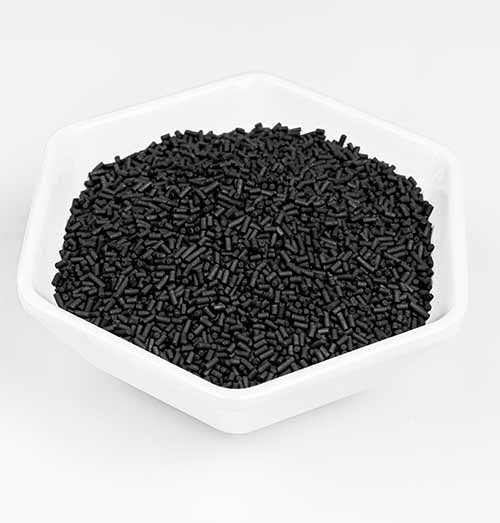
Carbon Molecular Sieve Loading Steps
Jan 08, 2026
1.System Shutdown, Pressure Relief and Power Off Operation
First, shut down the system via the nitrogen generator control system, close the compressor outlet and nitrogen generator inlet globe valves, and slowly open the pressure relief valve to relieve pressure until all pressure gauges return to zero. Finally, cut off the main power supply of the system, hang a "Equipment Maintenance, No Switching On" sign and arrange for special personnel to be on duty to avoid the risk of working under pressure or with electricity. This procedure applies to the high purity nitrogen CMS.
2. Separation of Nitrogen Outlet Pipeline and Removal of Adsorption Tower Top Cover
Confirm the connection method between the nitrogen outlet pipeline and the adsorption tower, select corresponding tools to symmetrically remove the connecting components. After separation, seal the pipeline port with a sealing plug to prevent debris from entering. Two personnel shall cooperate to remove the top cover of the adsorption tower, place it stably and record the installation position to avoid collision damage.
3. Thorough Cleaning of Spent Carbon Molecular Sieve in the Packed Tower
Use tools such as buckets, vacuum cleaners to clean the spent carbon molecular sieve in the tower and collect it into a special waste barrel; purge residual debris in corners with low-pressure compressed air and cooperate with a vacuum cleaner to ensure no residue. Operators shall wear protective equipment, keep the area well-ventilated, and dispose of the spent molecular sieve in accordance with specifications.
4. Integrity Inspection of Wire Mesh and Palm Mat in the Tower
Check whether the filter wire mesh in the tower is damaged or loose, and whether the mesh size matches; check whether the sealing palm mat is aged or damaged. If there are problems, replace with components of the same specification in a timely manner, and check the integrity of the fixing components to ensure loading tightness and prevent molecular sieve leakage.
5. Confirmation of Residues in the Tower and Preparation Before Loading
Reconfirm that there is no residue, debris and the tower is dry; if there is water stain, purge and dry it. Prepare new carbon molecular sieve, activated alumina and other materials as well as loading tools in advance to ensure the materials are dry and intact, the tools are in normal condition, and the operators are properly protected.
6. Bottom Paving and Preparation for Layered Loading
Lay and fix a new palm mat at the bottom of the tower to ensure tight fit without gaps; evenly pave a 10-20cm thick layer of activated alumina on top. After checking that the paving is flat and not loose, install a loading hopper (with the outlet extending to the middle of the tower) to prepare for loading carbon molecular sieve.
7. Carbon Molecular Sieve Loading, Vibration Compaction and Top Cover Installation
Slowly and evenly pour new carbon molecular sieve through the loading hopper, control the feeding speed to avoid particle breakage. When loading is nearly at the top of the tower, use vibration equipment to vibrate in all directions for 5-10 minutes for compaction; if there is settlement, replenish materials in a timely manner. Finally, load until it exceeds the tower edge by 5-10cm, lay the top palm mat, then stably cover the top cover and symmetrically tighten the fixing bolts to ensure good sealing.
For more information on carbon molecular sieves, please visit www.carbon-cms.com.


 Network Supported