Application of Activated Alumina in the Hydrogen Energy Sector
Feb 03, 2026
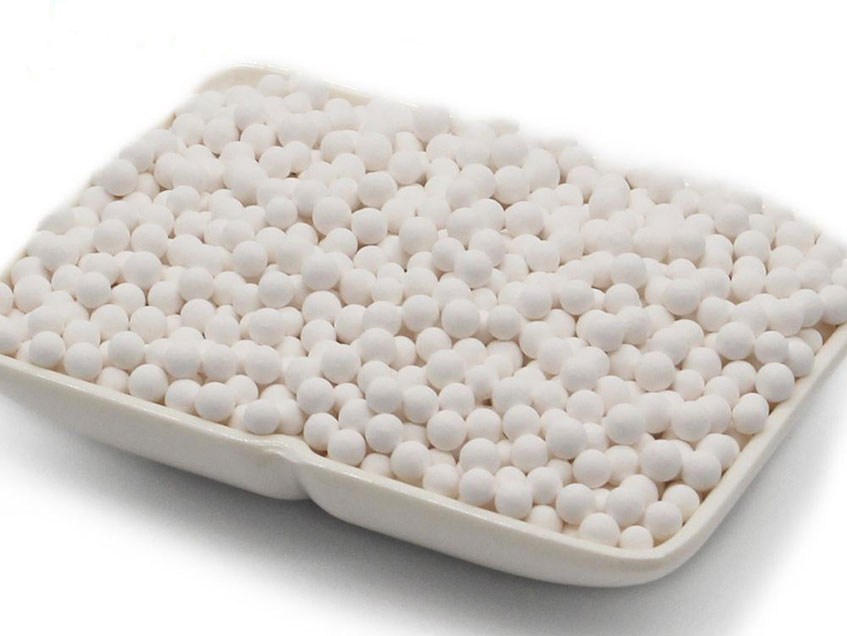
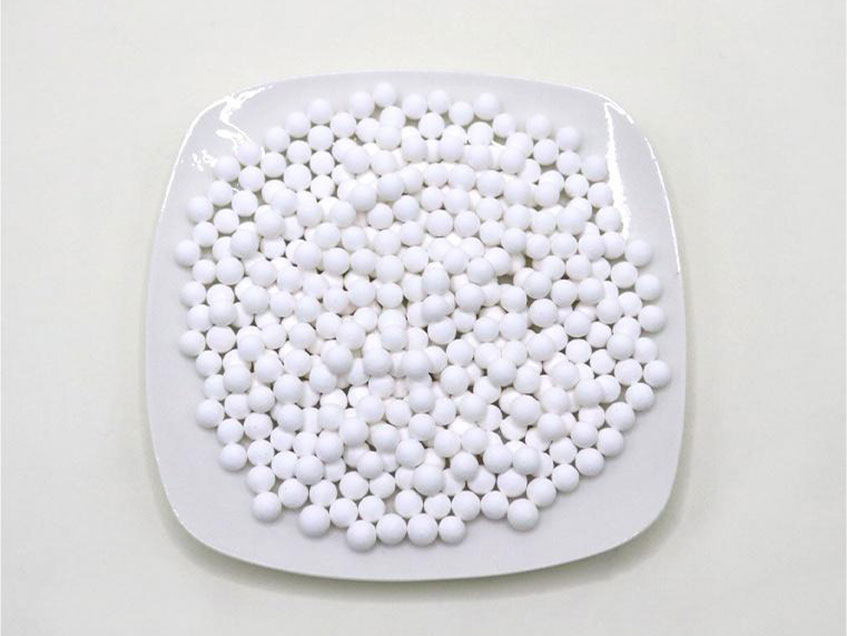
With the accelerated development of the global hydrogen energy industry, materials science plays a pivotal role in this field. As a versatile material, activated alumina is exerting an indispensable role across multiple stages of the hydrogen energy industry chain.
1.Hydrogen Production: High-Efficiency Catalyst Support for Reforming Reactions
Activated alumina, owing to its high specific surface area, excellent pore structure, and thermal stability, serves as a critical catalyst support in steam reforming for hydrogen production.
In the conversion of hydrocarbons such as natural gas and methanol into hydrogen, nickel-based or other precious metal catalysts require uniform dispersion on a stable support. The porous structure of activated alumina provides an ideal platform for dispersion, significantly enhancing catalyst activity and service life. Its surface acidic sites also promote the water-gas shift reaction, thereby improving hydrogen yield. Currently, over 70% of industrial hydrogen production units utilize activated alumina-based catalyst supports.
2.Hydrogen Purification: High-Efficiency Adsorbent and Drying Medium
Hydrogen purification is crucial for applications such as fuel cells, as even trace moisture can severely impact system performance. Activated alumina is the preferred adsorbent for deep drying of hydrogen.
Compared to silica gel and molecular sieves, activated alumina demonstrates unique advantages in drying high-flow-rate hydrogen: high mechanical strength, resistance to compression and abrasion; strong affinity for water molecules with minimal hydrogen adsorption; and the ability to be regenerated and reused thousands of times. In modern pressure swing adsorption (PSA) hydrogen production units, activated alumina acts as a pre-drying layer, protecting subsequent molecular sieve adsorbents and extending the lifespan of the entire system. Its low-energy regeneration characteristics also align with the cost-reduction demands of the hydrogen energy industry.
3.Hydrogen Storage Material Development: Key Component in Composite Hydrogen Storage Systems
Solid-state hydrogen storage is an important direction for hydrogen energy applications, and activated alumina demonstrates remarkable potential in novel composite hydrogen storage materials.
Studies show that nano-activated alumina, as an additive, can significantly improve the hydrogen storage kinetics of metal hydrides (e.g., magnesium-based, borohydrides). Its mechanisms include providing fast diffusion channels for hydrogen atoms, preventing agglomeration of hydrogen storage particles, and reducing hydrogen desorption temperatures. This "nanoconfinement" effect increases the hydrogen absorption and desorption rates of composite materials several-fold while lowering the operating temperature by 50–100°C, offering new possibilities for onboard hydrogen storage systems.
4.Fuel Cell Systems: Guardian of Gas Purification
Proton exchange membrane fuel cells (PEMFCs) have extremely high requirements for hydrogen purity, and activated alumina undertakes multiple purification tasks within these systems.
In fuel cell inlet pipelines, activated alumina filters simultaneously remove moisture, trace oil mist, and particulate impurities from hydrogen, protecting the expensive membrane electrode assembly. Additionally, in fuel cell reformers, activated alumina-based catalysts promote the preferential oxidation of CO (PROX), reducing CO concentrations to below 10 ppm and preventing catalyst poisoning. This "multifunctional material" characteristic simplifies system design and enhances reliability.
5.Hydrogen Energy Infrastructure: Core Drying Unit in Hydrogen Refueling Stations
Hydrogen refueling stations are critical nodes for hydrogen transportation, and activated alumina ensures that the quality of dispensed hydrogen meets international standards such as SAE J2719.
During compression and cooling processes at hydrogen refueling stations, activated alumina dryers deeply remove moisture, preventing ice blockages and corrosion. Its high strength withstands frequent pressure cycling (35–70 MPa), while specially modified surface treatments enable the simultaneous adsorption of multiple impurities. Some advanced hydrogen refueling stations employ activated alumina membrane separation technology to further enhance hydrogen recovery rates. As the global hydrogen refueling network expands, demand for this application is growing rapidly.
The "traditional" material of activated alumina is being revitalized through continuous innovation in the "emerging" field of hydrogen energy, providing robust support for the global energy transition. Selecting suitable activated alumina products has become a key consideration in the design and optimization of hydrogen energy systems.
For more information on activated alumina, please visit www.carbon-cms.com.


 Network Supported