
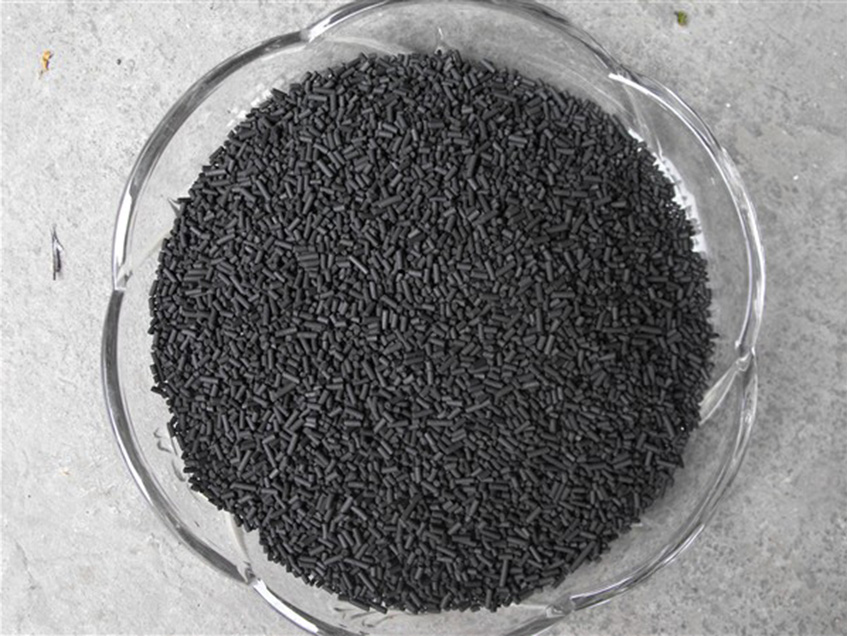
The core structure of carbon molecular sieve (CMS) consists of densely packed micropore channels, which are critical for its oxygen adsorption and nitrogen separation capabilities. Due to this unique structure, CMS is inherently “delicate” and vulnerable to two major threats—moisture and oil contamination—making protection against them the top priority in storage.
First, moisture.Carbon molecular sieve is highly hygroscopic. Even short‑term exposure to air will cause it to rapidly absorb water vapor, filling its micropores with water molecules much like a water‑saturated sponge can no longer absorb other substances. Such damage is mostly irreversible, directly reducing the adsorption capacity of CMS by 30% to 50%, and in severe cases, rendering it completely unusable.This risk is especially high during the rainy season in southern China or in high‑humidity coastal regions, where relative humidity often exceeds 80%. Without proper moisture protection, even unopened CMS can gradually lose performance during storage.
Second, oil contamination, which is even more damaging than moisture.Once the micropores of CMS come into contact with oil or grease, they become blocked. Oil also forms a thin film over the particles, completely eliminating adsorption activity. This type of “poisoning” cannot be reversed by regeneration; the CMS must be fully replaced.Oil contamination can originate from leaked lubricants in storage areas, oil from operators’ hands, or even residual grease on packaging containers. Even trace amounts of oil can cause catastrophic damage to carbon molecular sieve.
In addition, temperature control during storage is equally important.The ideal storage temperature is 5–40 °C.Temperatures above 40 °C accelerate structural aging and reduce adsorption performance.Temperatures below 2 °C may cause adsorbed moisture to freeze and expand, damaging the micropore structure and even breaking the particles.
In short, the key to preserving CMS is simple:maintain a dry, clean, and constant‑temperature environment, and isolate it from moisture and oil.This will maximize its original adsorption performance.
If you want to get more information about us,you can click www.carbon-cms.com.
Please Read On, Stay Posted, Subscribe, And We Welcome You To Tell Us What You Think.

Copyright @ 2026 Chizhou Shanli Molecular Sieve Co., Ltd. All Rights Reserved.
 Network Supported
Hi! Click one of our members below to chat on