Differences in Adsorption Performance Between Molecular Sieves and Activated Carbon
Jan 20, 2026
Adsorption Characteristics
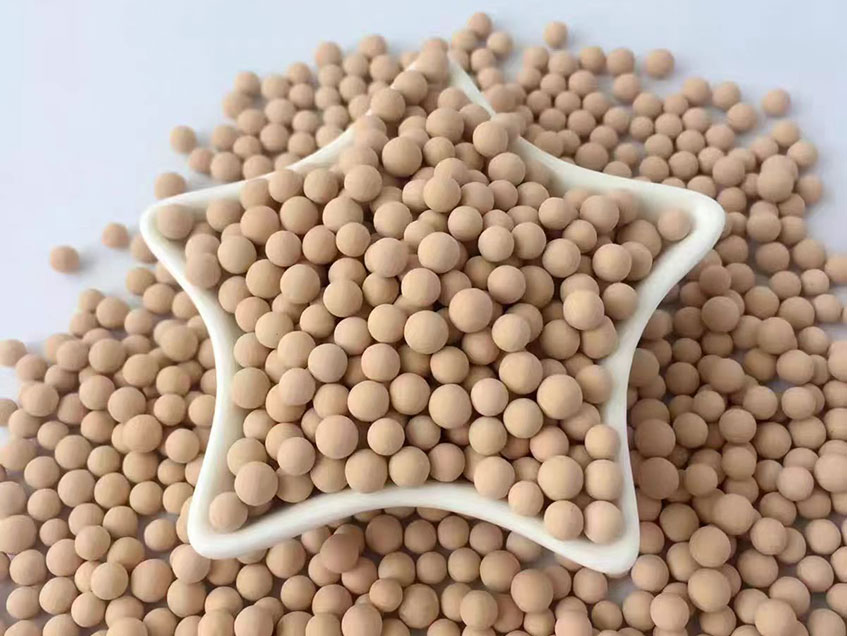
Molecular Sieves: Under pressure - swing conditions, they can achieve efficient cyclic adsorption and desorption of gas molecules with specific sizes. They are capable of precise selection among multiple gas molecules, capturing target components under high pressure and releasing them rapidly under reduced pressure. Thus, they are suitable for scenarios such as producing high - purity nitrogen or oxygen.
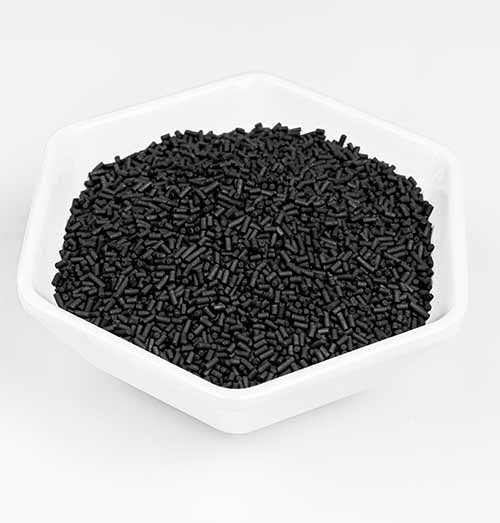
Activated Carbon: It is a non - polar physical adsorbent, suitable for adsorbing volatile organic compounds (e.g., formaldehyde), but cannot separate mixed gases.
Thermal and Compressive Resistance
Molecular Sieves: Their structure remains stable at 200 - 300℃, they can withstand frequent pressure changes, and can be recycled for long - term use.
Activated Carbon: It has good heat resistance but poor compressive strength, and is prone to crushing under high pressure.
Contamination Resistance
Molecular Sieves: They are susceptible to contamination by water, oil vapor, sulfides, etc. Severe contamination will lead to irreversible failure of molecular sieves.
Activated Carbon: It is sensitive to oils; once its pores are blocked, it will fail and is difficult to regenerate.
Core Application Scenarios
Molecular Sieves: They are the core of pressure swing adsorption (PSA) technology and are used for gas separation and purification.
Activated Carbon: It is mostly used in the terminal pollutant purification process.
For more information on molecular sieves, please visit www.carbon-cms.com.


 Network Supported