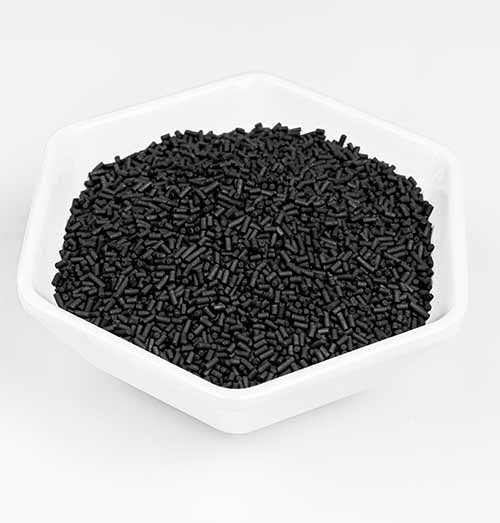
SLUHP-100 Molecular Sieve: The Optimal Choice for High-Purity Nitrogen Generation, Outperforming CMS330 in All Aspects
Jan 14, 2026
In the field of industrial nitrogen generation, the performance of carbon molecular sieves directly determines nitrogen purity, gas production efficiency and operating costs. As a commonly used model in the market, CMS330 has maintained a certain application share for a long time. However, with technological upgrades, Chizhou Shanli, a leading enterprise in China's carbon molecular sieve industry, has launched the SLUHP-100 carbon molecular sieve.
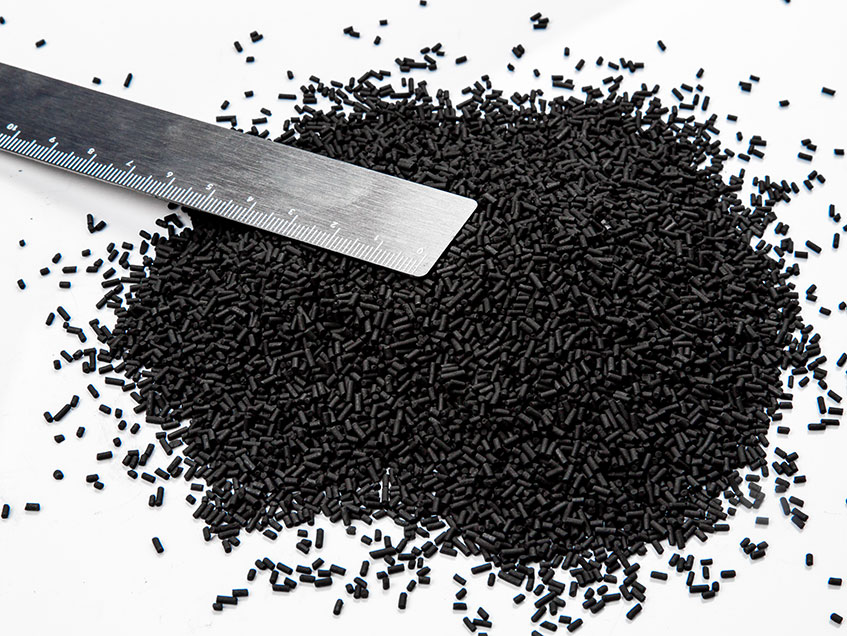
Boasting superior separation performance, more stable quality and more cost-effective operation, this product has comprehensively outperformed CMS330. It not only surpasses the industry standards in the domestic market, but also ranks among the world's top-tier products, emerging as the preferred core material for upgrading Pressure Swing Adsorption (PSA) nitrogen generation systems.
The core competitiveness of the SLUHP-100 carbon molecular sieve lies in its precise control over "high-efficiency separation and cost-effective operation", which is also the key to its superiority over CMS330. Relying on Chizhou Shanli's independently developed micropore regulation technology, the SLUHP-100 achieves precise pore size matching. This accurate "molecular sieving effect" enables oxygen molecules to rapidly diffuse into the micropores and be adsorbed, while nitrogen molecules are efficiently retained. Thus, 99.999% high-purity nitrogen can be produced in a single step via the PSA method.
In contrast, CMS330 features a wide and imprecise micropore size distribution. It not only struggles to stably produce 99.999% high-purity nitrogen, but also experiences a significant decline in separation efficiency under low-pressure operating conditions, failing to meet the requirements of high-end industrial applications.
Beyond its core advantage of ultra-high purity output, the SLUHP-100 outperforms CMS330 across all key performance metrics, specifically reflected in two aspects:
1.Lower air-to-nitrogen ratio: Under the same adsorption pressure, the SLUHP-100 consumes less compressed air than CMS330, directly reducing the energy consumption and operating costs of nitrogen generators.
2.Lower ash content: The ash content of the SLUHP-100 is far lower than that of CMS330, which can effectively reduce the risk of molecular sieve pulverization, avoid pipeline blockage, and ensure the long-term stable operation of the nitrogen generation system. On the contrary, CMS330 is prone to pulverization after long-term use, requiring frequent shutdowns for maintenance.
If your enterprise is currently using CMS330 and facing issues such as insufficient nitrogen purity, high operating costs or frequent equipment failures, or if you plan to upgrade your nitrogen generation system, feel free to learn more about Chizhou Shanli's SLUHP-100 molecular sieve. Choose this high-quality core material that comprehensively outperforms traditional models to make your nitrogen generation system more efficient, stable and cost-effective, and safeguard your enterprise's production operations.
For more information on carbon molecular sieves, please visit www.carbon-cms.com.


 Network Supported